By Michael McGarrell
In the aftermath of the devastating fire that claimed the lives of 20 young Indigenous girls and a little boy in the Mahdia Secondary School dormitory, my heart aches for the families, communities and everyone affected by this immense loss. The tragedy not only highlights the importance of fire safety but also calls attention to the cultural issues faced by young students living far away from their families and familiar environments.
For many Indigenous students, attending schools far from their small communities means leaving behind the comfort of home, traditions and the support of their close-knit families. Living in dormitories, although necessary for educational opportunities, can be an incredibly challenging experience, with feelings of isolation and homesickness prevailing. Having been a dormitory student myself, I experienced it all.
Preserving cultural identity and fostering a strong sense of belonging is vital for the well-being of these students. Cultural immersion plays a fundamental role in their growth and development, and when it is disrupted, feelings of alienation can ensue. The tragedy has reminded us that schools must embrace and integrate indigenous cultures into their educational framework to provide students with a safe space where their traditions and values are respected, cherished and practiced.
Living in dormitories, although necessary for educational opportunities, can be an incredibly challenging experience, with feelings of isolation and homesickness
In the wake of this heart-wrenching event, the affected communities and schools must come together to heal and rebuild. The implementation of vital measures by the Government is also required to tackle cultural concerns and provide support to the grieving families. Grief counseling and mental health services should be made available to the students, their families and the school community. The trauma from the fire will leave a lasting impact, and providing professional support is essential in the healing process.
School staff and administrators should undergo cultural sensitivity training to better understand the unique challenges faced by Indigenous students. Sensitization to cultural norms and traditions will foster empathy and create a more supportive learning environment. Immediate and ongoing assistance should be offered to the bereaved families, and regular training sessions organized for school administrators, staff and ancillary personnel to enhance their ability to manage the school and dormitory effectively.
Collaboration with the local Indigenous communities is crucial. By engaging community leaders and elders, the schools can gain valuable insights into the students’ cultural backgrounds, allowing for a more inclusive and culturally sensitive approach to education.
School curricula should be revised to include Indigenous history, language and cultural practices. By promoting Indigenous knowledge and traditions, students can feel a stronger connection to their heritage, even when living away from home.
Safe dormitory conditions are critical for the well-being of children. Fire safety measures in school dormitories must be reviewed and enhanced to prevent such tragic incidents in the future. Adequate precautions and emergency preparedness can provide peace of mind to both students and their families and this must be taken into consideration.
School curricula should be revised to include Indigenous history, language and cultural practices.
Efforts should be made to provide scholarships and support to Indigenous students to reduce financial burdens and make education more accessible. Ensuring that students have the opportunity to learn in their own communities whenever possible can be transformative. With the advent of better communication technology, we can have smart classrooms within communities so students can stay at home and study.
The loss of these young lives is an unimaginable tragedy, and no words can ease the pain felt by the families and communities affected. However, by addressing the cultural issues and actively supporting the healing process, we can strive to create a brighter future for Indigenous students who must overcome immense challenges while seeking an education away from home.
Let us honor the memory of these young souls by fostering a society that values and celebrates cultural diversity, ensuring that no student feels detached from their roots and that education remains a pathway to empowerment and growth for all. Together, we can build a more inclusive, compassionate and culturally enriched educational landscape that nurtures and uplifts every young mind, regardless of their background. Let us honor them by ensuring that those responsible are held accountable and that necessary steps are taken to address the many gaps that exist into our systems.
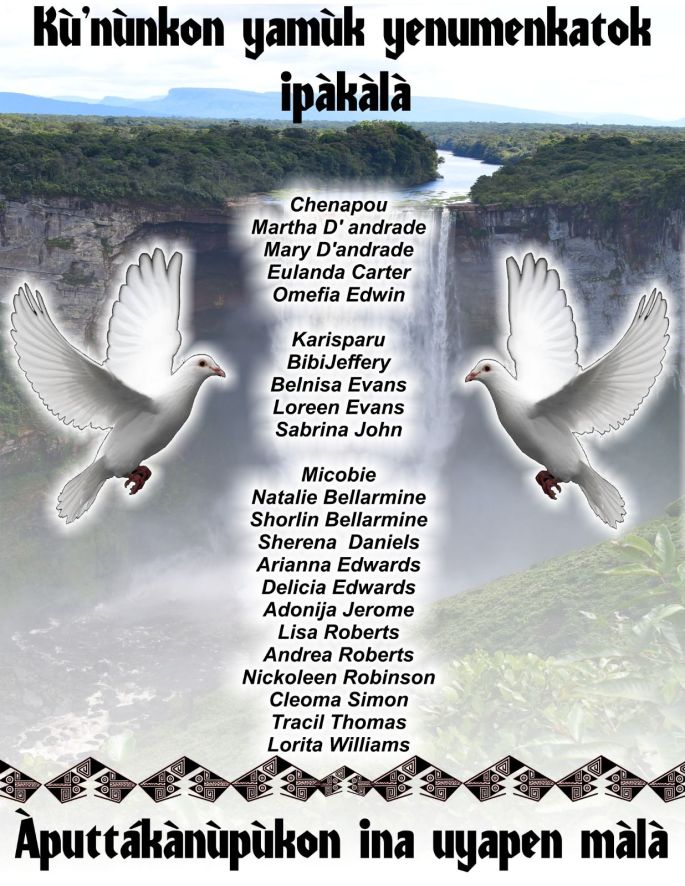

 The Guyanese Languages Unit