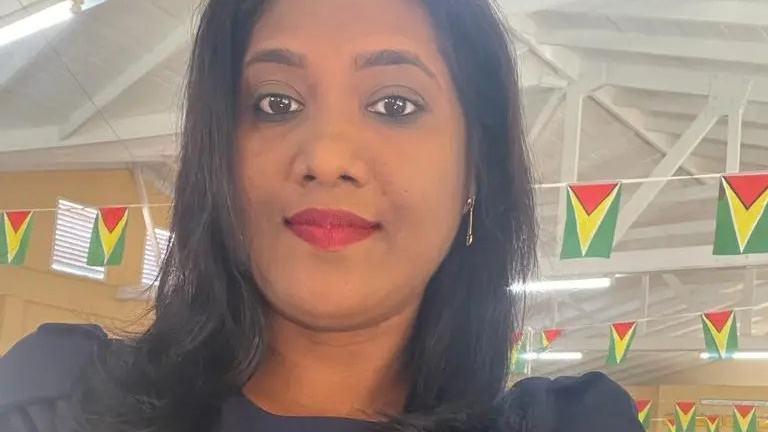
IMLD 2023 reflections: Christine Rupi

It was a privilege for me to attend the International Mother Language Day multilingual education session hosted by the Guyanese Languages Unit on February 21, 2023, under the theme: “Multilingual Education: a necessity to transform education”. I am delighted to be a Guyanese citizen since our nation has a wide variety of languages. In addition to English, Creole, Spanish, and Portuguese, there are approximately 10 Indigenous languages spoken here, for example Wapichan, Patamuna, Warau, Carib, and Arawak. But many of these languages are at risk of extinction, and those who speak them are frequently stigmatized.

In order to preserve our linguistic legacy and guarantee that all Guyanese children have the chance to study in their native language, the workshop emphasized the value of multilingual education. Numerous advantages of multilingual education for pupils have been demonstrated, including higher cognitive abilities, better academic performance, and a stronger sense of cultural identification. The workshop’s emphasis on Indigenous peoples’ voices piqued my curiosity as these voices are not frequently heard in mainstream culture. The workshop gave Indigenous peoples a forum in which to explore the value of multilingual education for their communities and to share their experiences.

I am appreciative that the Guyanese Language Unit put together this crucial session. It was an eye-opening event that motivated me to consider the native languages and cultures of our nation. I am dedicated to supporting this vital effort because I think that multilingual education is crucial for changing the way that education is provided in Guyana. My parents spoke Creolese when I was growing up. When we visited relatives in Georgetown, I tried my best to speak standard English, with many errors though. My mom was embarrassed and would usually hit me. However, I was taught proper [English] grammar and tenses to boost my speech. I now realize that Creolese was my mother tongue and I cannot speak it.

Multilingual education can serve to foster tolerance and understanding between many cultures in addition to the advantages already highlighted. Bilingual education is Guyana’s educational future. It is a method to protect our language history, guarantee that every child has the chance to thrive, and create a society that is more accepting and understanding. I kindly request that multilingual education be supported by the government and educational institutions so that we may all take advantage of its numerous advantages. It was a joy to hear that our Vice Chancellor, together with my lecturer Ms. Charlene Wilkinson, has decided to earnestly make representations for our Indigenous peoples.

Christine Rupi

This blog was written as part of an assignment for Use of English, a module within the Department of Foundation and Education Management at the University of Guyana.
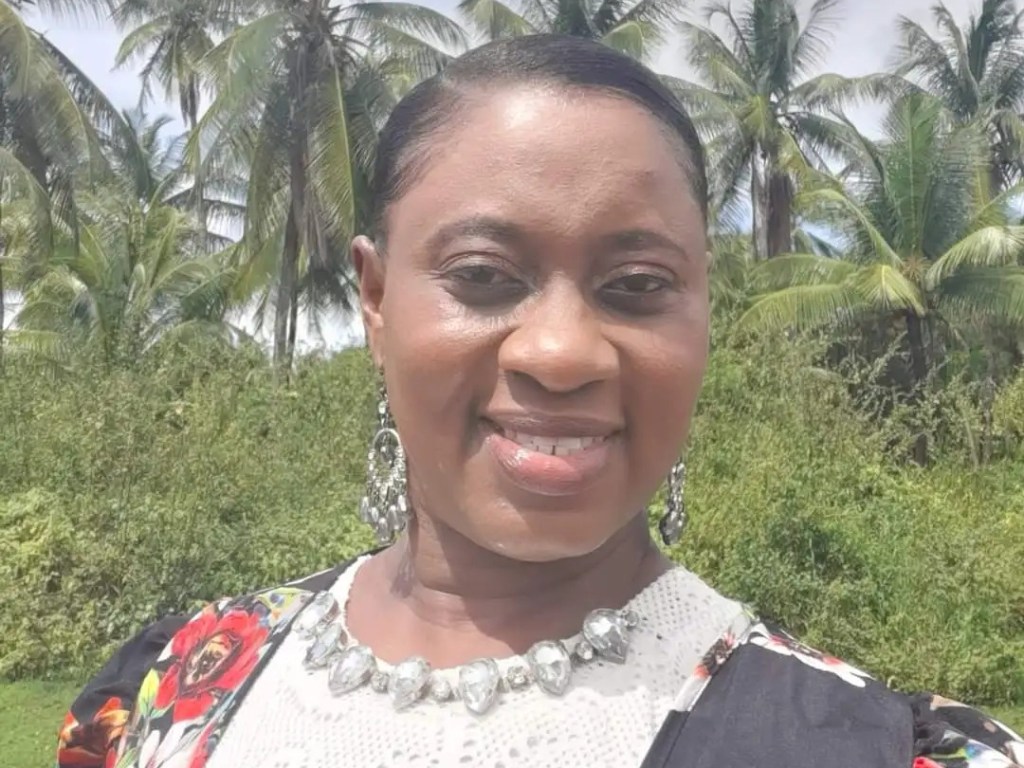
IMLD 2023 reflections: Lorraine Payne

My attendance at the International Mother Language Day workshop was very rewarding and enlightening. When I entered the George Walcott Lecture Theatre I received a warm welcome, after which I was escorted to a table of brilliant people who all greeted me with a pleasant smile. I felt at ease and it was a privilege to be at such an historical event. At my table of nine I was delighted to meet two representatives from NCERD, three Amerindian people, two teachers and one student.

I joined the discussion about transferring our language and culture to the next generation. My general takeaway from that discussion is that as Guyanese we must learn to appreciate our mother languages. The highlight of the discussion was when we spoke of how we, as individuals, often times try to correct our children by insisting that they speak ‘properly’ and in ‘Standard English’. However, by doing so we are neglecting our first languages. It was concluded that the younger generation will only appreciate our native languages if we add value to them and make them meaningful. Therefore more workshops are needed countrywide to bring more awareness and further introduce these languages in schools. In that way we will be able to love and appreciate our mother languages and culture.

This blog was written as part of an assignment for Use of English, a module within the Department of Foundation and Education Management at the University of Guyana.
IMLD 2023 reflections: Bibi Nabila Mohamed

The International Mother Language Day event was held at the University of Guyana. The welcome and opening remarks were made by Mr. Trevon Baird. The theme for International Mother Language Day 2023 was “Multilingual Education: a necessity to transform education,” Dr. Deirdre Jafferally told the audience.

There was a video presentation in which persons of various ethnicities introduced themselves in different languages, such as Patamuna, German, French, English, Kreyòl, Jamaican Patois, Lokojan and Spanish, plus as a video welcoming actor Letitia Wright on her visit back to Guyana.

Presenters included speakers of the different mother languages of Guyana such as Akawaio, Arecuna, Carib, Creolese, English, Arawak, Makushi, Patamuna, Wapichan, Wai Wai and Warrau. Mention was also made of Falmouth Sign Language, Taruma and Atorada. Many of the Indigenous speakers said their language is their identity and when native speakers pass away the language is at risk of dying, so whatever they have learnt they want to transmit to their children for the language to remain alive.

Another speaker called for Guyanese creole to be an official language. An Indigenous male singer also sang a wonderful song, “Cassava is Richness”, and the Vice Chancellor Ms. Paloma Mohamed spoke about Ms. Charlene Wilkinson’s passion for the development of languages.

This blog was written as part of an assignment for Use of English, a module within the Department of Foundation and Education Management at the University of Guyana.
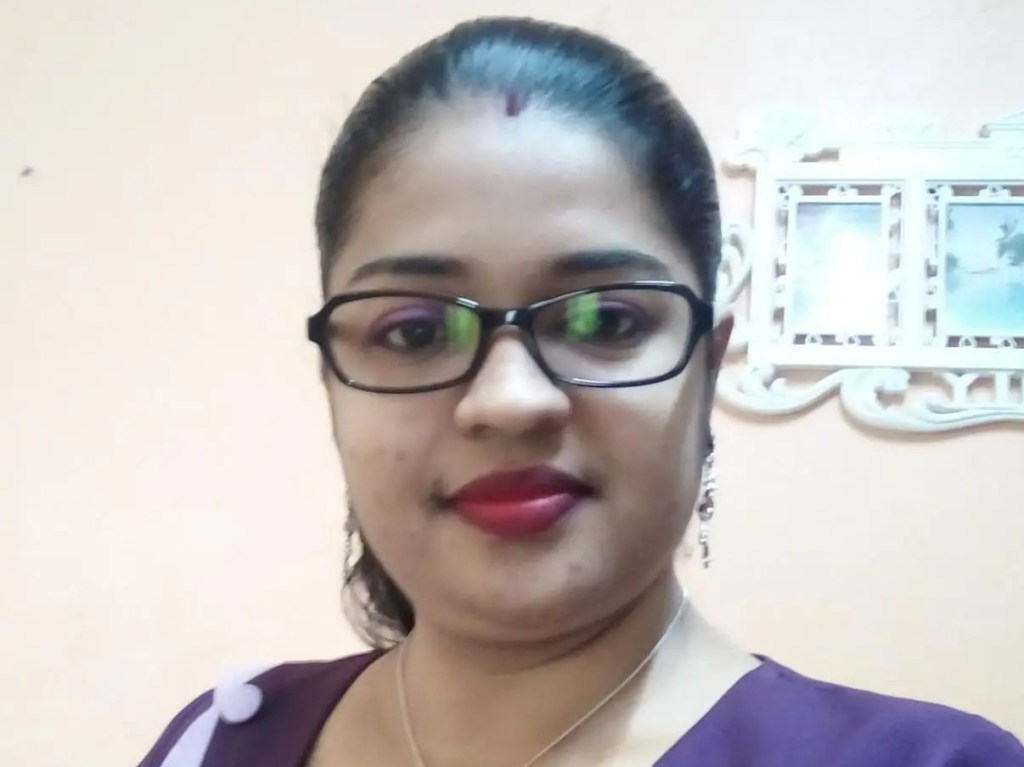
IMLD 2023 reflections: Sumintra Singh

The event held on the 21st of February in observance of International Mother Language Day primarily focused on promoting the awareness and importance of linguistic and cultural diversity, which coincides with this year’s theme “multilingual education – a necessity to transform education.”

It was evident that every opportunity was taken to not only sensitize the public on the importance of our mother languages but to also advocate for the government to recognize that to honor our people and preserve our people they must bring those languages into school. 

Speakers from across Guyana shared their mother-tongue languages and culture in an effort to pass on and preserve these languages, which are their identity. The event also brought awareness to linguistic ethics in relation to politics, education, Indigenous rights, and cultural preservation, which seems to be drifting away. It was about celebrating all languages.

Art and crafts were also displayed in aid of keeping in tune with our cultures. It was a very interesting and meaningful event that put a smile on everyone’s face that was the recipient of the information passed on. Our mother tongues are our own, they are our identity, our culture, and our first language, which should always be preserved and seen as a right to speak and a right to be respected in every part of our country.

This blog was written as part of an assignment for Use of English, a module within the Department of Foundation and Education Management at the University of Guyana.

IMLD 2023 reflections: Khadijha Thomas

One of the ideas of International Mother Language Day is to advocate for Creolese to be accepted internationally as well as in Guyana. Over the course of the event, people shared their experiences of speaking their native tongues or Creolese, and of being rejected or asked to speak appropriate English.

People from various Amerindian tribes participated in the program as interpreters, speaking in their native tongues, translating their words into English, and pleading with Vice Chancellor Dr Paloma Mohamed to help spread awareness of their languages through literature, various media, and even being introduced in the university.

The Vice Chancellor answered by stating that what they are asking of her is quite significant and is not something that she can achieve overnight but which will happen in due time and has already begun. I had never heard of even one Amerindian native language, much less so many, so attending this event was simply fascinating.

This blog was written as part of an assignment for Use of English, a module within the Department of Foundation and Education Management at the University of Guyana.

IMLD 2023 reflections: Dilice Gulliver

International Mother Language Day was celebrated at the George Walcott Lecture Theater at the University of Guyana on the 21st of February 2023. The event was organized by the Department of Language and Cultural Studies at the University of Guyana. It was attended by many participants, including students, faculty members and special guests. The theme of the event was ‘Multilingual Education: A Necessity to Transform Education’.

Greetings in various languages were featured in the “Love Letter to Our Languages” video presentation. The event also included a number of activities such as a keynote address by Dr. Imhoff and a discussion by experts in the field. The keynote address emphasized the importance of making Guyanese Creole an official language in Guyana. Dr. Imhoff discussed the need for greater access to multilingual education in order to ensure that all students have the opportunity to learn in their native language and to benefit from the advantages of multilingual education. She also highlighted the various challenges faced by multilingual education systems and the need for greater collaboration between stakeholders in order to ensure their success.

The event also featured a musical interlude with Indigenous performers. This was followed by a “Translators’ Appeal to the Vice Chancellor” by the Guyanese Languages Unit and Amerindian Research Unit. The Vice Chancellor of the University of Guyana, Professor Paloma Mohamed, responded to the appeal and reaffirmed the university’s commitment to the cause of multilingual education.

The audience responded well to the programme, which offered insightful information about the value of multilingual education. The event was a huge success and played a crucial role in spreading knowledge about the role of multilingual education in transforming education and preserving our culture.

This blog was written as part of an assignment for Use of English, a module within the Department of Foundation and Education Management at the University of Guyana.

IMLD 2023 reflections: Madavi Manbood

The celebration of International Mother Language Day was originated by the United Nations Educational, Scientific and Cultural Organization (UNESCO) and observed this year under the theme “Multilingual Education: a necessity to transform education”. The public ceremony which was organized by the Guyanese Languages Unit and the Amerindian Research Unit focused on the importance of preserving and making the nine Indigenous languages and Creolese official. The presenters proposed for these ten languages to be included in the school curriculum and all educational institutions in Guyana. The first languages of our ancestors need to pass down from generation to generation so that each person’s identity can be strengthened. Professor Paloma Mohamed Martin acknowledged the presentations by the translators and reiterated that she would work together with them to actualize their proposal.

This blog was written as part of an assignment for Use of English, a module within the Department of Foundation and Education Management at the University of Guyana.