Wai-Wai translator Bernicia Chekema shares her experiences of bilingualism
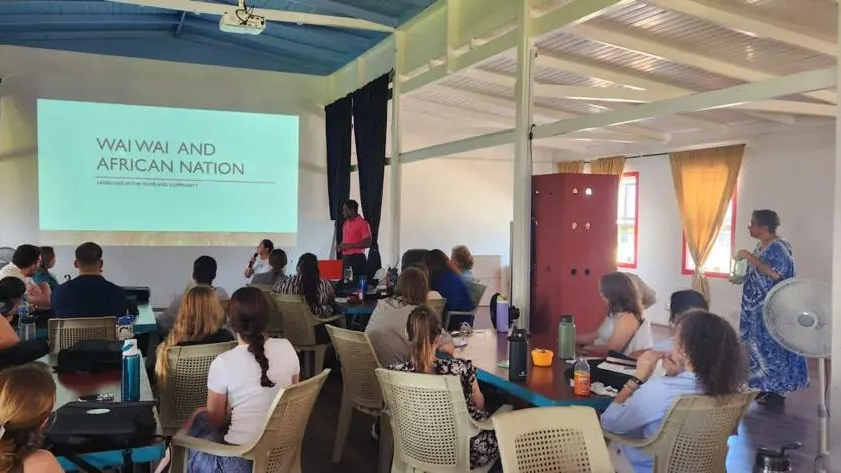
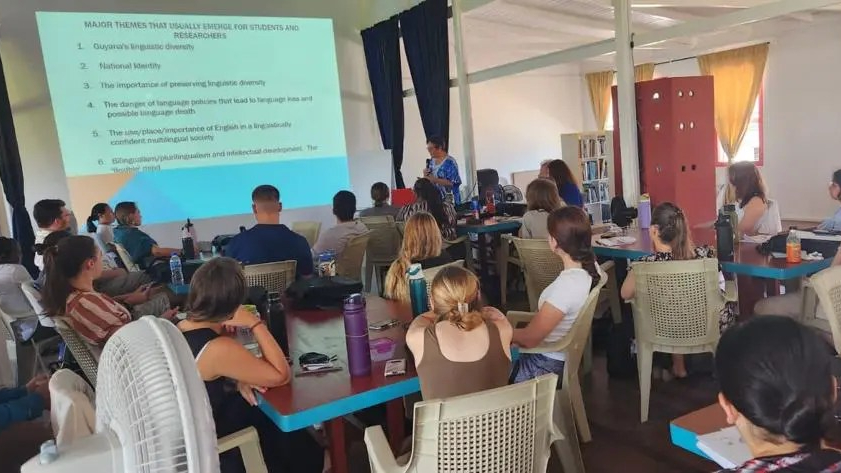
On June 21 2023, representatives from the GLU once again travelled to the Bacchus’ Library, Affiance, Essequibo Coast, Region 2, to facilitate a two-hour workshop on Creolese for the 2023-2025 cohort of American Peace Corps volunteers.
Each cohort of Peace Corps volunteers usually serves for two years in the health, education and environment sectors in Guyana. Before travelling to their allocated sites, the volunteers are sensitized to key issues in Guyana, such as health, safety and security, language and culture over a ten-week training period.
Charlene Wilkinson explains linguistic diversity and identity in Guyana
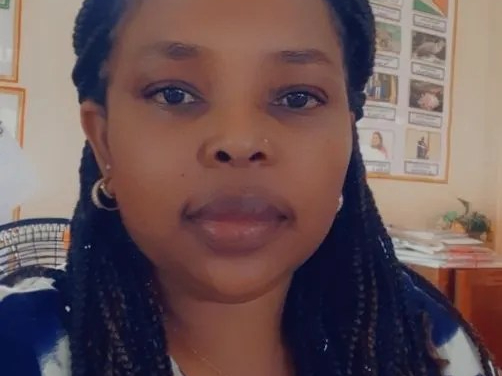
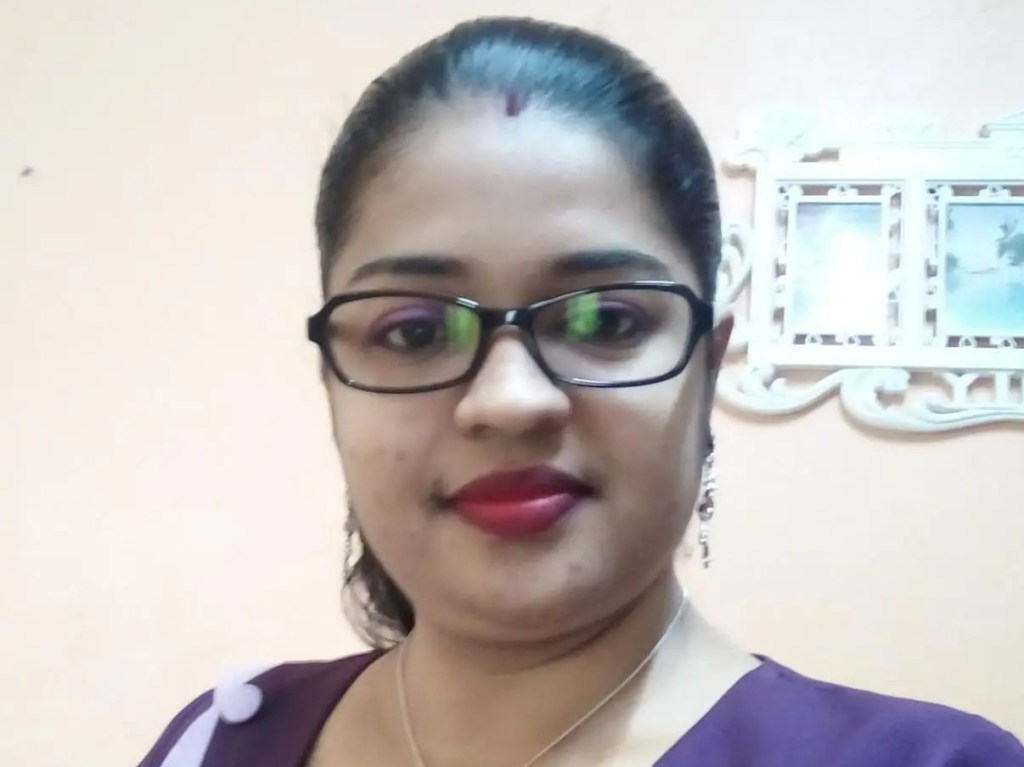
Charlene Wilkinson, Coordinator of the GLU, gave a general overview of the political dimensions of language issues in Guyana at the start of the workshop. Bernicia Chekema, a native Wai Wai speaker and GLU translator, then shared her experience of raising a multilingual family in Georgetown, as someone married to a native Creolese speaker.
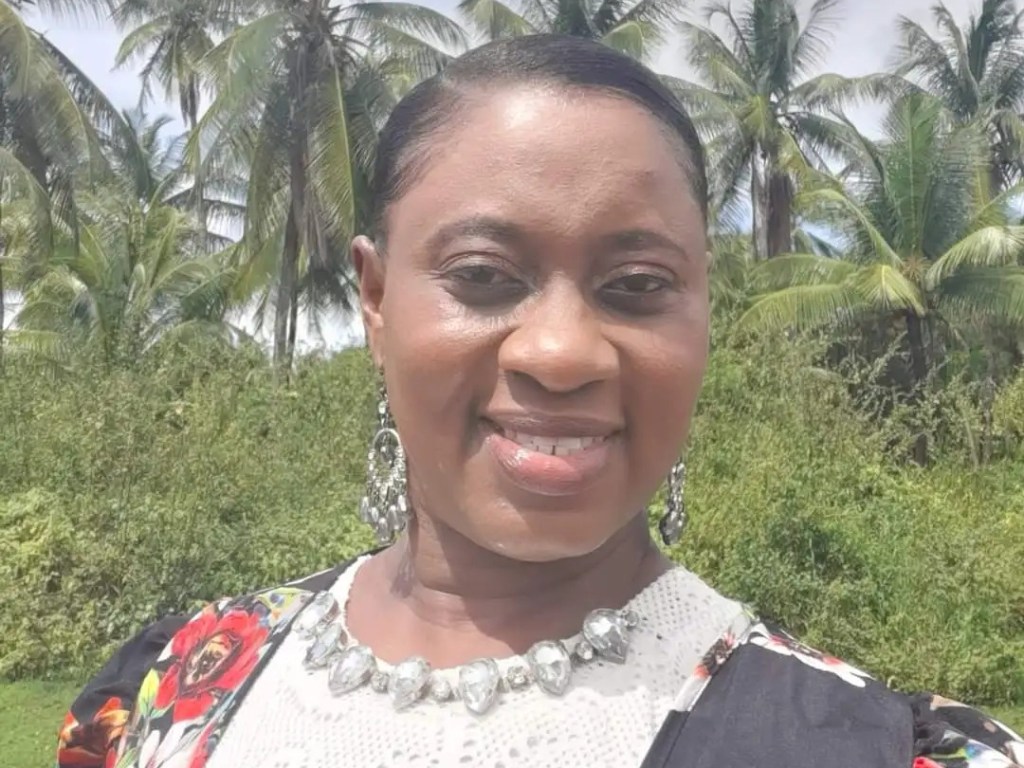
Ronda Thomas, a native Creolese speaker and GLU translator from the island of Wakenaam in the Essequibo, brought a different perspective: sharing how she was able to overcome the prejudices against her mother tongue.
Among the Wapichan, in the South Rupununi, Region 9, Guyana, there are some people who claim mixed Atorad or Taruma ancestry. Although Atorad and Taruma are mentioned relatively frequently in the early published sources, little is known of their histories and their languages.
One possible history of the Taruma, based on oral tradition, is that they lived on the Upper Essequibo. During the 18th (or more probably 19th) century, the Taruma migrated north- and eastward, living for some time close to the Wai Wai, with whom they had interethnic skirmishes. By the beginning of the 20th century, they had reached the forest immediately to the south of the Wapichan, living in several villages. From that time on, they were slowly absorbed by the Wapichan, apparently via intermarriage. In present-day Guyana, there is a family of mixed Taruma ancestry who live on a hill called Toronaawa, an hour’s walk from the centre of Maroranaawa, a Wapichan village of South Rupununi, Region 9.
Together with expatriate linguists, we found three remaining speakers of Taruma. Furthermore, we found that the data recorded with each of them is almost 100 percent consistent (i.e. clearly not invented or poorly remembered), and most words are very similar to those recorded in the older (19th and early 20th century) sources, thus establishing that Taruma is indeed a real language, but a moribund one.
However, the Taruma are keen to activate their passive knowledge of the language and share this with their relatives and friends. In particular, several place names in the South Rupununi are of Taruma origin. Additionally, the Taruma seem to have had an indelible influence on the material culture of the Wapichan.
All these findings, which form a historically continuous link between the Taruma and the Wapichan, are of high relevance to the Amerindian Research Unit and the Guyanese Languages Unit, both of which I am affiliated to. The collecting of these Indigenous knowledge systems will contribute a rich corpus to further study of Guyanese native languages. Thus, the goal is to continue the collaboration in documenting the languages and knowledge of the people of the Wapichan communities.
My attendance at the International Mother Language Day workshop was very rewarding and enlightening. When I entered the George Walcott Lecture Theatre I received a warm welcome, after which I was escorted to a table of brilliant people who all greeted me with a pleasant smile. I felt at ease and it was a privilege to be at such an historical event. At my table of nine I was delighted to meet two representatives from NCERD, three Amerindian people, two teachers and one student.
I joined the discussion about transferring our language and culture to the next generation. My general takeaway from that discussion is that as Guyanese we must learn to appreciate our mother languages. The highlight of the discussion was when we spoke of how we, as individuals, often times try to correct our children by insisting that they speak ‘properly’ and in ‘Standard English’. However, by doing so we are neglecting our first languages. It was concluded that the younger generation will only appreciate our native languages if we add value to them and make them meaningful. Therefore more workshops are needed countrywide to bring more awareness and further introduce these languages in schools. In that way we will be able to love and appreciate our mother languages and culture.
This blog was written as part of an assignment for Use of English, a module within the Department of Foundation and Education Management at the University of Guyana.
The International Mother Language Day event was held at the University of Guyana. The welcome and opening remarks were made by Mr. Trevon Baird. The theme for International Mother Language Day 2023 was “Multilingual Education: a necessity to transform education,” Dr. Deirdre Jafferally told the audience.
There was a video presentation in which persons of various ethnicities introduced themselves in different languages, such as Patamuna, German, French, English, Kreyòl, Jamaican Patois, Lokojan and Spanish, plus as a video welcoming actor Letitia Wright on her visit back to Guyana.
Presenters included speakers of the different mother languages of Guyana such as Akawaio, Arecuna, Carib, Creolese, English, Arawak, Makushi, Patamuna, Wapichan, Wai Wai and Warrau. Mention was also made of Falmouth Sign Language, Taruma and Atorada. Many of the Indigenous speakers said their language is their identity and when native speakers pass away the language is at risk of dying, so whatever they have learnt they want to transmit to their children for the language to remain alive.
Another speaker called for Guyanese creole to be an official language. An Indigenous male singer also sang a wonderful song, “Cassava is Richness”, and the Vice Chancellor Ms. Paloma Mohamed spoke about Ms. Charlene Wilkinson’s passion for the development of languages.
This blog was written as part of an assignment for Use of English, a module within the Department of Foundation and Education Management at the University of Guyana.
The event held on the 21st of February in observance of International Mother Language Day primarily focused on promoting the awareness and importance of linguistic and cultural diversity, which coincides with this year’s theme “multilingual education – a necessity to transform education.”
It was evident that every opportunity was taken to not only sensitize the public on the importance of our mother languages but to also advocate for the government to recognize that to honor our people and preserve our people they must bring those languages into school.
Speakers from across Guyana shared their mother-tongue languages and culture in an effort to pass on and preserve these languages, which are their identity. The event also brought awareness to linguistic ethics in relation to politics, education, Indigenous rights, and cultural preservation, which seems to be drifting away. It was about celebrating all languages.
Art and crafts were also displayed in aid of keeping in tune with our cultures. It was a very interesting and meaningful event that put a smile on everyone’s face that was the recipient of the information passed on. Our mother tongues are our own, they are our identity, our culture, and our first language, which should always be preserved and seen as a right to speak and a right to be respected in every part of our country.
This blog was written as part of an assignment for Use of English, a module within the Department of Foundation and Education Management at the University of Guyana.
One of the ideas of International Mother Language Day is to advocate for Creolese to be accepted internationally as well as in Guyana. Over the course of the event, people shared their experiences of speaking their native tongues or Creolese, and of being rejected or asked to speak appropriate English.
People from various Amerindian tribes participated in the program as interpreters, speaking in their native tongues, translating their words into English, and pleading with Vice Chancellor Dr Paloma Mohamed to help spread awareness of their languages through literature, various media, and even being introduced in the university.
The Vice Chancellor answered by stating that what they are asking of her is quite significant and is not something that she can achieve overnight but which will happen in due time and has already begun. I had never heard of even one Amerindian native language, much less so many, so attending this event was simply fascinating.
This blog was written as part of an assignment for Use of English, a module within the Department of Foundation and Education Management at the University of Guyana.
International Mother Language Day was celebrated at the George Walcott Lecture Theater at the University of Guyana on the 21st of February 2023. The event was organized by the Department of Language and Cultural Studies at the University of Guyana. It was attended by many participants, including students, faculty members and special guests. The theme of the event was ‘Multilingual Education: A Necessity to Transform Education’.
Greetings in various languages were featured in the “Love Letter to Our Languages” video presentation. The event also included a number of activities such as a keynote address by Dr. Imhoff and a discussion by experts in the field. The keynote address emphasized the importance of making Guyanese Creole an official language in Guyana. Dr. Imhoff discussed the need for greater access to multilingual education in order to ensure that all students have the opportunity to learn in their native language and to benefit from the advantages of multilingual education. She also highlighted the various challenges faced by multilingual education systems and the need for greater collaboration between stakeholders in order to ensure their success.
The event also featured a musical interlude with Indigenous performers. This was followed by a “Translators’ Appeal to the Vice Chancellor” by the Guyanese Languages Unit and Amerindian Research Unit. The Vice Chancellor of the University of Guyana, Professor Paloma Mohamed, responded to the appeal and reaffirmed the university’s commitment to the cause of multilingual education.
The audience responded well to the programme, which offered insightful information about the value of multilingual education. The event was a huge success and played a crucial role in spreading knowledge about the role of multilingual education in transforming education and preserving our culture.
This blog was written as part of an assignment for Use of English, a module within the Department of Foundation and Education Management at the University of Guyana.
The celebration of International Mother Language Day was originated by the United Nations Educational, Scientific and Cultural Organization (UNESCO) and observed this year under the theme “Multilingual Education: a necessity to transform education”. The public ceremony which was organized by the Guyanese Languages Unit and the Amerindian Research Unit focused on the importance of preserving and making the nine Indigenous languages and Creolese official. The presenters proposed for these ten languages to be included in the school curriculum and all educational institutions in Guyana. The first languages of our ancestors need to pass down from generation to generation so that each person’s identity can be strengthened. Professor Paloma Mohamed Martin acknowledged the presentations by the translators and reiterated that she would work together with them to actualize their proposal.
This blog was written as part of an assignment for Use of English, a module within the Department of Foundation and Education Management at the University of Guyana.
This video addresses the need to respect and promote the Creole and indigenous languages of Guyana. It is an audio version of a letter presented to Ms. Letitia Wright, the Guyanese star of the film Black Panther: Wakanda Forever, on the occasion of the ceremony at the University of Guyana at which she received an honorary doctorate. The letter was presented on behalf of the speakers of the nine indigenous languages of that country and of Creolese, the officially unrecognised national language that unites all Guyanese. The published version of the letter was subsequently published in the Kaieteur News newspaper.
Creolese Dear Ms Letitia Wright, awi glaad yu kom. (We are glad you have come.)
Akawaio Saru eni man Letitia, pori’ pe esi e pi.enna’ posak pe’apata’se’ya’. (Welcome Letitia, I am happy because you have come to your home.)
Arekuna Wakope kuru auyesak mang. (It is good to have you come.)
Kalina (Carib) Gupalolipoh Dr Letitia Wright chohoe yapokuroe meh owupihoe eni guyana takamah gupah enyambabko owitoripa taroro Okuneh eropa eni pahotah. (Greetings Dr Letitia Wright, welcome, I am happy you’ve come home to Guyana, have fun and enjoy your stay and do come back again after this.)
Makushi Miirîman, miirîman Letitia morîpe erepanki anna koreta. (Welcome, welcome Letitia. We are so happy to have you.)
Patamuna Wakù pe elepankà apata yak Letitia! (Welcome home Letitia!)
Wai Wai Kîrwanhê Mîmokye hara Letitia, tahworê so makî nasi amna amotopo poko awewtonthîrî pona hara. (It is nice that you have come back Letitia, we are so happy for your return to your homeland (motherland))
Wapichan(Wapishana) Kaiman wadapapan pugaru. (We welcome you wholeheartedly)
Warau Ina oriwakaiya, Letitia. Mitane atais tama hota ari. Boukaiya, Letitia. (I am happy to see you back in the country Letitia. Welcome Letitia.)
Dear Ms. Letitia Wright,
We are delighted that you have taken it upon yourself to ‘rep’ Guyana everywhere you go and every time you get the chance. One area we Guyanese are not so great at either understanding for ourselves or explaining to the world is the question of our languages. We proudly pronounce that we are ‘the only English-speaking country’ in South America. Of course, we all know that the only language most Guyanese speak everyday with our families and friends and in our workplaces is Creolese. And some people like to fool us that it is ‘broken English’, ‘bad English’, or ‘just English with careless pronunciation’. Or we tell ourselves that it isn’t a language because people in Buxton speak ‘a totally different language’ to the people in the Corentyne, even though ‘mi doz swim in chrench’ means exactly the same thing anywhere you go in the country. Or we say that the way we speak cannot be written accurately only because we don’t know the writing system for Creolese and have never learnt it or been taught it.
To borrow from what the constitution of Haiti says about Haitian Creole, Creolese is the language which unites all Guyanese. This is a language created by our African ancestors in conditions of slavery, inherited by Indian, Chinese and Portuguese indentured servants, who have added words covering every single feature of culture, food, music and folk tradition that makes us who we are. English just happens to be, for now, the only language of the courts, government administration and formal education. That, of course, can change if we as Guyanese make it so.
And then there are the other Guyanese languages, the languages of the indigenous peoples of the country. The main ones are Akawaio, Arekuna, Karinya (Carib), Lokono (Arawak), Makushi, Patamuna, Wai-Wai, Wapichan (Wapishana) and Warau. These are the languages of the ancestral people of this continent who kept this country safe and sound for those of us who have since landed or were landed on its shores. Like Creolese, these languages pass down from generation to generation and make us who we are.
You are reported to have said that you regret ‘losing your Guyanese accent’. We know that behind that statement is regret at losing your native language, Creolese. You have not lost it. It is buried inside of you, under years of being forced to talk differently. But the language of your mother and grandmother lies within you, just waiting for you to dig it up and display it to the world. In fact, we hear it rising to the surface ever so often, like when you were reminiscing about your favourite Guyanese foods on Jumpstart radio. It’s just a matter of time, Ms Letitia, and a bit of practice.
We note the excitement of speakers of South African Xhosa, Mexican Yucatecan Mayan and Haitian Creole when they hear their long ignored and disrespected languages spoken in ‘Wakanda Forever’. The fact that the Black Panther movies show not only ‘people who look like me’ but ‘people who talk like me’ is important for the children of the world. We are lucky to have you at the centre of this. We can be forgiven for dreaming of hearing our languages in the next Black Panther sequel. These would be the languages of a hidden multilingual civilisation with a population made up of Amerindian, African, and South Asian people, using Creolese and the nine indigenous languages of Guyana. Maybe, they might use the knowledge embodied in these languages to create their own vibranium from scratch, with that mineral coming from their inner spaces, rather than from outer space. We have, of course, recently been gifted with the vibranium of the real world, oil and gas. But even as we play with the two-edged sword that is our vibranium, we need the inner understanding and acceptance of self which can only come with an acceptance of our languages.
We dream that you, as our representative can help us see and hear ourselves for who we really are. We dream that you, in the role you have adopted for yourself to ‘rep’ Guyana, can ‘rep’ the Guyanese languages too. We dream for you to become a patron of the Guyanese Languages Unit at the University of Guyana and carry our language torch to the world. We dream that that glow will reflect back on Guyana as we work in the dark to find ourselves beneath the rubble left behind by slavery, indentureship and colonialism. We know we are dreaming. But, in the world of the imagination, all things are possible. And all our languages have a word for ‘dream’.
We love you, Ms Letitia.
……………………………………………….. Charlene Wilkinson (Creolese) Trevon Baird (Creolese) Charo Albert (Arekuna) Cliva Joseph (Akawaio) Akeem Henry (Kalina/Carib) Skeitha Thomas (Lokono/Arawak) Gloria Duarte (Makushi) Ovid Williams (Patamuna) Bernicia Chekema (Wai Wai) Vivian Alex Marco (Wapichan/Wapishana) Silverius Perry (Wapichan/Wapishana) Derrick Henry (Warau)


 The Guyanese Languages Unit