Patamuna yamùk Nùppyattàppù
Iyeppyattàppù pantomù
Patamuna maimu pe Kappon yamùk pùikattàtok, tukke mule yamùk uyatùppù Mahdia po 22 May 2023 yattaino pàkànsau Guyana Language Unit (Guyana yawon Mayin yamùk yennài) uya usenupannà tok piyattàpù, sa’man pe ma’le mayin ittu tok ipàkàlà pe Sàlà usenupannà tok wepyattàpù màlà Covid 19 uya pata yeposak yattai, molopai Sàlà tepoik tok wechi pata mattanù’ nài nan molonka’nùpù che.
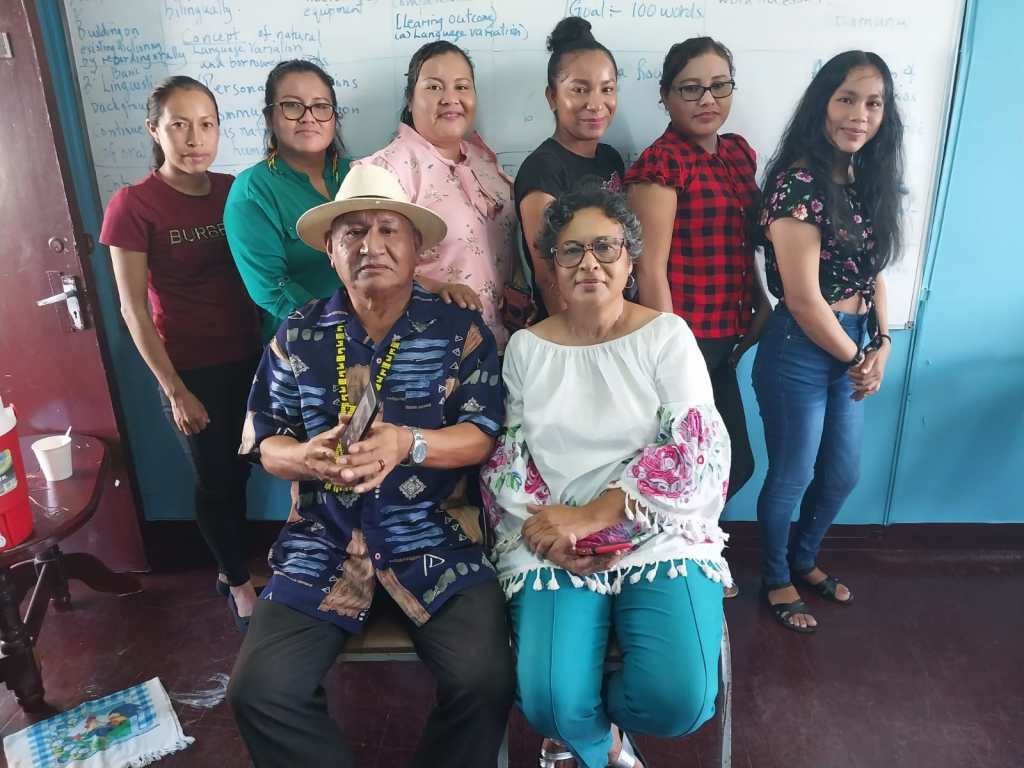
Asa’là mayin ittunnan (Patamuna molopai Enkelechi tukaik), molopai Patamuna yamùk tùusenupa kon pàk waikattau (iken po) tùwesan yamùk pokonpe tok we’wotokomappù; màlà yentak lùiwa asa’là tùmaimu kon ittutok tùuya nokon I’nnapailà lùiwa pàk. Sàlà uya tok yenupasak, eichilà tùtonpa kon pùikatàtok pe tok uya ikasa làkku molopai Patamuna yamùk yeselu yau ikasa mayin yekama pàk.
Kappon yamùk UG (University of Guyana) (I’napailà Usenupan pata) tawon kon molopai Potolù yamùk, Patamuna pe tùuseluppasan pen, utàsak Patamuna yamùk patassek yak yattai tok maimu yekamannan pe tok wettok pe tok usenupasak nai’nùk.
Sàlà usenupantok yau, enupannan yamùk nettai:
(a) Ovid Williams, Patamuna Kàyikkù,
(b) Charlene Wilkinson nen uchi imaimu yekamanài, Molopai tok pùikattàn’nan mayin yamùk nàlà itunnan nettai:
(c) Louisa Daggers, Amerindian Research Unit yennài,
(d)Ticha Hubert Devonish tukke mayin yamùk ittunài; ICCLR, UWI
(e) Debbie Hopkinson, Àsà pe pata umattasak yau Kapon yamùk wemapù yennài
(f) University of Guyana uya nàlà sàlà usenupantok wekkutok pe tok lepappù man patasek ke Turkeyen Campus po. University of Guyana tau Potolù pe tùwesen uya $300,000 yentai pùlayatta tùlùppù, Patamuna yamùk usenupatok wekkutok pe.
(g) Maylene Thomas, Lokono/Arawak pachi wechipù tok yeipattànài pe; molopai.
Sàlà usenupantok wepyattà pù June 10th motapai, asakùlà’ne sattete molopai suntayakka kaichalà, 09:00 ko’làma motapai 12:00 peleppochi pùkkùyak, tamu’nawàlà 20 hours kaichalà.
Usenupantok wechippù sàlà yamùk pàk:
a.)
– Ikasa Mayin yapulà tok
– Uselupan pàk, molopai yà’làkasa I’nnapailà lùiwa mayin ituche we’nàtok pàk
b.) Tùwekkusan pata yamùk yau kupù iyettok kasa màlà yentak lùiwa mayin ittutok pe.
c.) Mayin yekama tùulon maimu yau.
Ànùklà uya sàlà usenupantok Patamuna yamùk maimu pàk yempàtù iche we’nà pen nainùk. I’nailàlà enkelechi pe tùwesan yamùk kùlotau là. GLU wechi màlà tùulon mayin yamùk yau sàlà yekwa wotoko wepyattà iche Guyana yau: Alekuna, Akawaio, kali’na, Creolese, Lokono, Makuchi, Wai-Wai, Wapiyana molopai Walau.
The Patamuna Team Initiative
Introduction:
In response to the tragedy following the Mahdia fire of May 22, the GLU initiated a workshop in Emergency Language Facilitation, a continuation of the GLU’s disaster management response, begun during the COVID-19 Pandemic. A select group of bilingual speakers (Patamuna and English), all native Patamuna speakers currently pursuing tertiary education in Region 4, worked with facilitators to develop their bilingual competence. This was to prepare them to be reasonably ready to provide appropriate and culturally sensitive interpretation service during any intervention of UG and other professional non-Patamuna speaking team(s) in the affected Patamuna communities and beyond.
The chief facilitators were Ovid Williams, Patamuna translator and interpreter and Charlene Wilkinson, Language Arts specialist and Coordinator, GLU. Our support professionals were Louisa Daggers, Coordinator of the ARU, Prof. Hubert Devonish, linguist, ICCLR, UWI and Debbie Hopkinson, Head of the Institute Of Human Resilience, Strategic Security And The Future, UG. The Faculty of Education provided the space on the Turkeyen Campus, Maylene Thomas of the Lokono nation provided the meals, and the Vice Chancellor’s Office dedicated over $300,000 for this initiative.
The workshop began on Saturday, June 10 and ran for 4 consecutive weekends from 9:00 am to 12:00 pm with a half hour break for lunch, amounting to 20 hours.
The general areas covered were:
(a) Language Awareness:
– Self-reflection and self-assessing of language competence
– Recognizing variations across communities
(b) Drama routines to develop language for community language needs:
(c) Translation and Interpretation challenges
One should not underestimate the potential long term cultural benefits to the Patamuna language and culture in this sustained and guided process of using the language in domains that are usually dominated by English. The GLU looks forward to similar initiative in all the other native languages of Guyana: Arekuna, Akawaio, Carib, Creolese, Lokono, Makushi, Wai Wai, Wapichan and Warau.
By Charlene Wilkinson, translated in Patamuna (above) by Vickiola Aaron
 The Guyanese Languages Unit